


Hammer Horror Spectacular
- Oct 31, 2018
- 4 min read
There are two schools of cinema when regarding classic horror. Universal and Hammer. On one side the highly praised legends, the films that lent undying images to those memorable monsters, with the like of Boris Karloff and Bella Lugosi cementing the archetypal Frankenstein and Dracula respectively. They were tragic, stoic, bloodless and more about the story than the horror. Flip that coin however, and you find a much grimmer side to the creatures that haunted the dreams of yesteryear. That side is Hammer, the blood soaked celluloid dominated by Peter Cushing and Christopher Lee, the studio that made horror horrific. This is the Hammer Horror Spectacular, a celebration of grandiose terror, bright crimson blood and a legacy that will last forever.

Hound Of The Baskervilles
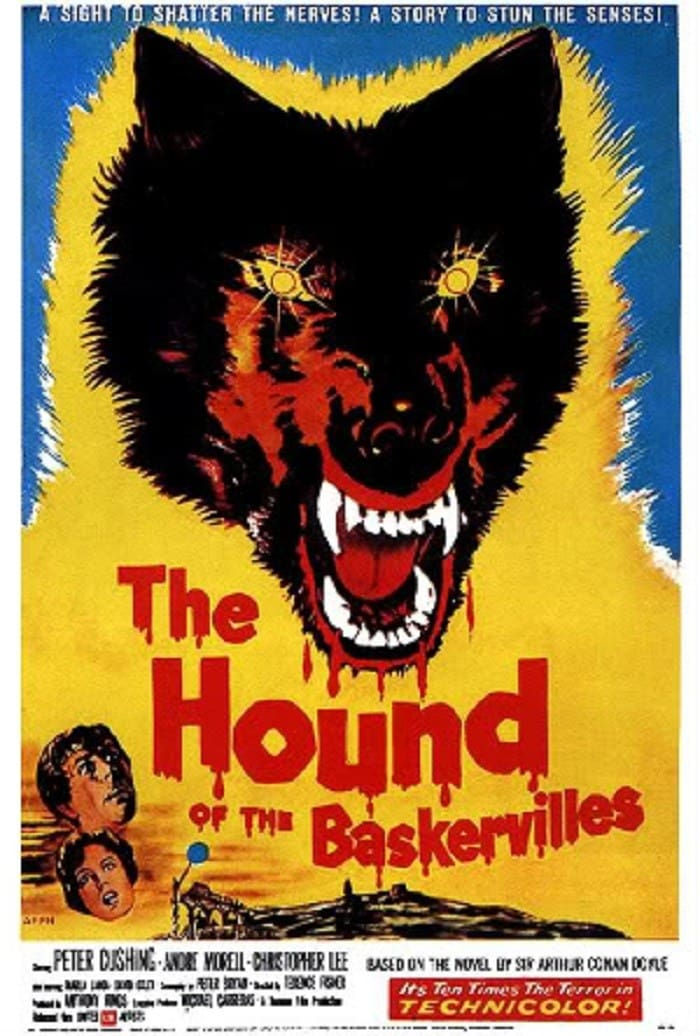
The classic Sherlock Holmes story gets a graphic adaptation featuring Peter Cushing as perhaps the best iteration of Doyle's now iconic character, deer stalker and all. It's an intriguing story to be sure, one involving ancient curses, demonic pacts, dead lords, inheritance and a particularly large dog. Cushing very much carries the film, driving it from scene to scene, his Holmes equal parts inquisitive and intelligent, avoiding the aggravating characterization that plagues more modern takes. While not particularly frightening, Hound Of The Baskervilles builds some great tension, along with an engaging and layered mystery, making for quite an enjoyable, if not terribly horrific film.
Dracula

Vampires, perhaps cinema's most recognizable monster, have permeated our culture quite unlike anything else. From the blood soaked snows of 30 Days Of Night to the child friendly numeracy of Sesame Street, these creatures of the night are every. Of these, the greatest of all, Count Dracula. A retelling of Bram Stokers novel, now with a vicious twist. This is a world of violent deaths, of vampire hunters, this is Hammer's best. Christopher Lee stars as the titular Count, alongside Peter Cushing as Van Helsing, vampire slayer. It was not the first time the two actors would face off against each other, and it would not be the last, but it is the finest. Lee is at his most menacing, fangs often dripping with blood with a fiery rage dancing in his eyes. He is more monster than man, something the film does not shy from. Throw in a bombastic score and the greatest Dracula death since the creature was envisioned and you've got yourself the greatest vampire movie ever made.
The Gorgon

At one time, a beautiful women but, when beset by a full moon, a hideous creature, one so foul that to gaze upon it would turn a man to stone. Like any good creature film, Gorgon is shrouded in mystery, teasing the viewer with tidbits of information, just enough to keep them interested. It is, however, a ponderous affair, with even Peter Cushing struggling to move it along. It's not until Christopher Lee's arrival, beyond the halfway mark, that things get going, and even then they're still rather slow. But, throw in a fun and unexpected twist in the last act, and a set of morally ambiguous characters, and you've got an enjoyable, if not overly exciting movie.
The Curse Of Frankenstein

A story told from the confines of a cell. One of man playing God, of a descent into madness, of monsters made of men. A story that ends as it begins, with death. But who's? And at who's hands? Hammer's take on Frankenstein does little to innovate on the themes of the classic tale, maintaining much of the core concept, instead attempting to make a grislier version of the Universal film. Indeed this is what they have achieved. Frankenstein himself, as portrayed by Peter Cushing, is quite clearly insane, a man driven to great lengths in pursuit of science, a sharp contrast to his one time tutor turned closest friend, Paul (Robert Urquhart), the anchor to the doctor's madness. Then there is the creature itself. Played, unsurprisingly, by Christopher Lee, it eschews the now iconic green skin, flat head and neck bolts in favour of something far more repulsive. Resembling a rotting body, bulging dead eyes and a pale complexion, the creature is quite memorable. While the film fails to reach the lofty heights of the classic movie, it is decent in its own right.
The Reptile

In a small town in England, mysteries are afoot. Several men are dead, all by the same cause. When his brother is found dead in the same manner as so many others, a young man and his wife brave a hostile populace in order to find their new home. But something far worse than angry villagers exists in moors about their house. Arguably one of Hammer's better films, and certainly one of their most interesting, The Reptile is my favourite non-Cushing/Lee entry into the monster genre. The twists throughout the plot are numerous, and ceaselessly interesting, the whole story hovers somewhere between tragedy and mystery, and, despite some admittedly dated creature effects, its very entertaining. Not as ponderous as other Hammer films, The Reptile moves along at a steady pace and, in this regard at least, is Hammer's finest work.
The Mummy

A curse more ancient than can be figured, a creature intent on bringing death, the high priest Kharis reborn after after 4000 years of slumber, and, among it all, love. Once again featuring the iconic duo of Peter Cushing and, in a rather thankless role, Christopher Lee, along with Eddie Byrne as a dogged police investigator, The Mummy is one of the more tragic Hammer horrors, with its monster doomed to live forever solely for trying to restore his lover to life. Lee does a stupendous job, acting almost entirely with his eye, effectively portraying the pain and anguish of the poor tormented creature that rests beneath the bandages of centuries. Indeed it is this change, this shift from a focus on the macabre, that elevates The Mummy above most other Hammer films. Definitely check it out.
Comments